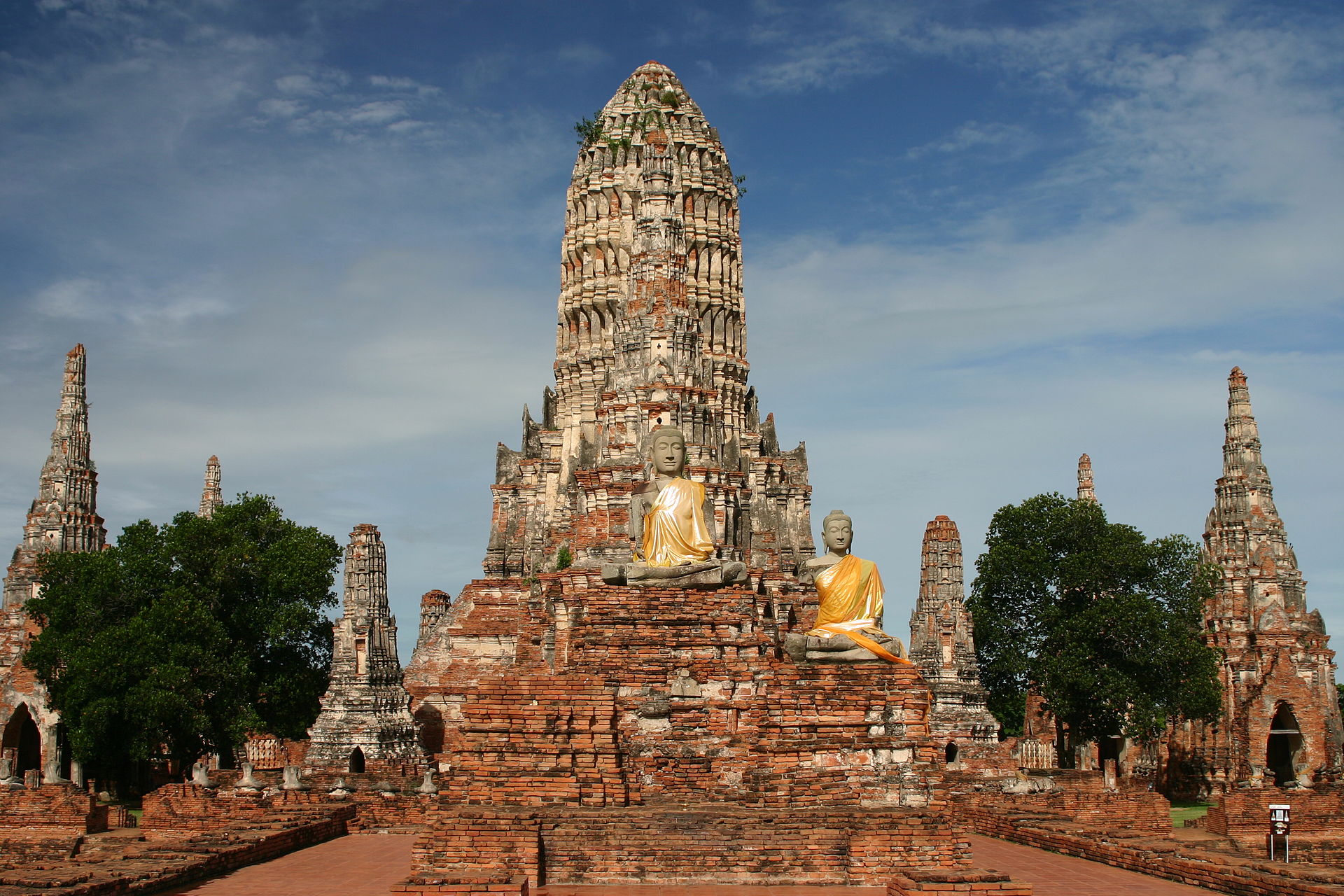
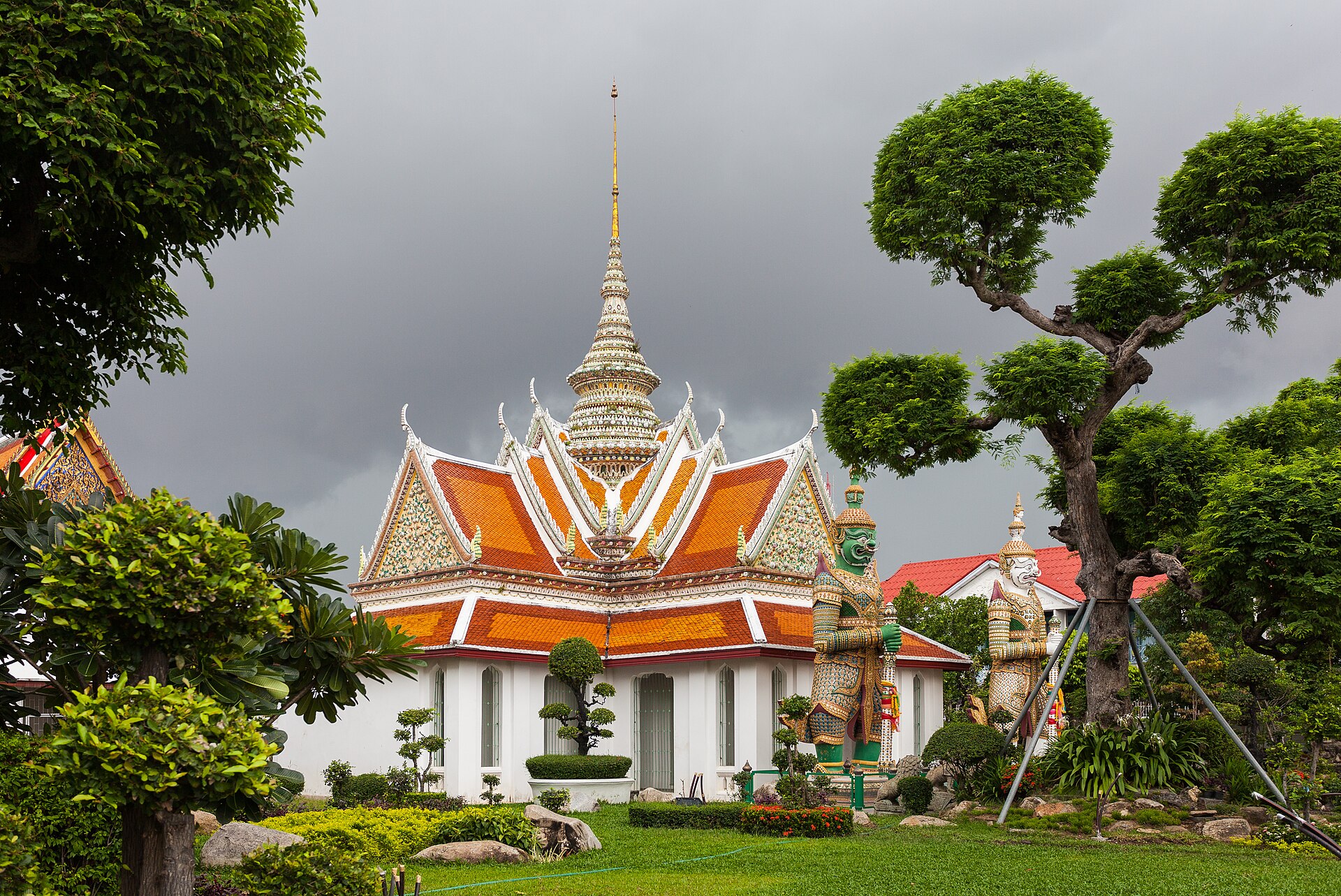
The short answer is November to February. Cool, dry, sunny, and reliable almost everywhere in the country.
The longer answer is more useful, because Thailand’s two coasts have opposite seasons, the “rainy season” is nothing like what the phrase suggests, and the best month for a temple trip in Isan is not the best month for diving off Koh Tao.
Quick answer by trip type
- First trip, want it easy: late November, or February
- Beaches on the Andaman side (Phuket, Krabi, Phi Phi): December–March
- Beaches on the Gulf side (Samui, Phangan, Tao): February–April, or July–August
- Best prices and fewest people: May–June, and September
- Waterfalls at full flow: August–October
- Cool enough to enjoy northern trekking: November–January
Thailand’s three seasons
Forget “summer” and “winter”. Thailand runs on three seasons, and they behave differently across the country.
Cool season — November to February
The peak, and deservedly so. Daytime temperatures sit around 28–32°C with low humidity, mornings are genuinely fresh in the north, and rain is rare. This is when Thailand looks like the photographs.
The trade-off is everyone else. Hotel rates roughly double from their May prices, popular restaurants need booking, and the Grand Palace at 10am in December is a crush. The fortnight either side of New Year is the absolute peak — if you can shift a week in either direction, do.
Best for: first-time visitors, families with fixed school holidays, northern trekking, island time on the Andaman coast, anyone who wants weather they don’t have to think about.
Hot season — March to May
It gets serious. April is the hottest month of the year, regularly over 40°C in central Thailand and Isan, with heat that continues through the night. Bangkok in April is a genuinely demanding city to sightsee in.
But it isn’t all bad news. The sea is at its warmest and calmest, visibility for diving is excellent, prices start falling from mid-March, and Songkran — the Thai New Year water festival, mid-April — is one of the most joyful public events anywhere on earth.
Best for: beach and island trips, diving, anyone chasing Songkran. Bad for: temple-heavy itineraries, walking cities, travelling with elderly relatives or very young children.
Green season — June to October
Called the “rainy season”, which sells it badly. In most of Thailand, most of the time, this means a spectacular hour-long downpour in the late afternoon followed by a clear evening — not a grey week.
What you get in exchange is remarkable: rice paddies at their most impossibly green, waterfalls that actually roar, national parks at their best, hotels at half price, and famous temples with hardly anyone in them.
The honest caveats: September and October are the wettest months nationally and are genuinely wet on the Gulf coast. Boat services to smaller islands get cancelled. And if your whole trip is island-hopping on a tight schedule, that risk matters.
Best for: photographers, waterfall trips, Isan and the north, second-time visitors, anyone travelling on a budget. Bad for: rigid island-hopping itineraries.
The two coasts have opposite seasons
This is the thing to understand before you book a flight, because getting it wrong costs you a holiday.
| Andaman coast | Gulf coast | |
|---|---|---|
| Islands | Phuket, Krabi, Phi Phi, Koh Lanta, Similans | Koh Samui, Koh Phangan, Koh Tao, Koh Chang |
| Best months | November – April | February – April, July – September |
| Wettest | May – October | October – December |
| Peak | December – March | July – August, and December |
The practical upshot is excellent news: somewhere in Thailand has good beach weather in every month of the year. If one coast is having a bad week, the other one usually isn’t. We build itineraries around this constantly.
If you’re weighing specific islands against each other, we’ve written detailed comparisons: Phuket vs Krabi → and Koh Samui vs Phuket →, plus a full southern island-hopping guide →.
Month by month
January — Arguably the single best month. Dry, mild, blue skies nationwide. Peak prices and peak crowds. Chinese New Year usually falls in late January or February and fills Bangkok’s Chinatown with something worth seeing.
February — Almost identical weather to January, with the New Year crowd gone. Our most-recommended month for a first visit. Hotel rates ease slightly.
March — Warming up fast. Excellent sea conditions on both coasts. Crowds thin from mid-month. Note that agricultural burning in the north can badly affect air quality in Chiang Mai and Chiang Rai from roughly late February through April — check current conditions before committing to a northern trip in this window.
April — The hottest month, and Songkran. Beaches are wonderful; cities are brutal. If you’re coming for the festival, book transport well ahead — the whole country moves at once.
May — The shoulder that few people take advantage of. First rains arrive, prices fall sharply, the landscape starts greening, and it’s still mostly sunny. Very good value.
June — Green season proper on the Andaman side. Gulf islands are usually still fine. Prices are low. Rain comes in bursts.
July — A quiet sweet spot for the Gulf coast: Samui, Phangan and Tao are often at their best while Phuket is wet. European summer holidays push prices up slightly.
August — Similar to July. Waterfalls are magnificent. Expect rain most days somewhere, rarely all day. Erawan and Phlio are at their most impressive.
September — The wettest month for much of the country, and the emptiest. If you don’t mind rain, this is when Thailand is cheapest and most peaceful. Not the month for boat-dependent plans.
October — Rain tails off in the north and centre through the month; the Gulf coast is heading into its wet stretch. Late October is often a genuinely good, quiet window in Bangkok and the north.
November — The turn. The rain stops, the humidity drops, and the country exhales. Late November is our favourite value window: cool-season weather at pre-peak prices. Loy Krathong, the festival of floating lanterns, usually falls this month and is beautiful — particularly in Chiang Mai and Sukhothai.
December — Perfect weather, maximum crowds, maximum prices. Book months ahead for the Christmas–New Year fortnight or accept whatever’s left.
Season by what you want to do
Temples and cities — November to February, comfortably. Start early regardless of the month; Ayutthaya at 8am is a different experience from Ayutthaya at noon.
Waterfalls — August to October for sheer volume. Erawan’s emerald pools stay beautiful year-round because they’re spring-fed, which makes it a reliable dry-season choice too.
Diving and snorkelling — Andaman side November to April, with the Similan Islands typically open mid-October to mid-May. Gulf side is diveable most of the year, best February to September.
National parks and wildlife — Green season, without much competition. Khao Yai in August is a different park from Khao Yai in February — waterfalls running, everything lush, and better wildlife activity.
Isan and the northeast — November to February. Isan in April is genuinely one of the hottest places in Southeast Asia.
Festivals — Songkran in April, Loy Krathong in November, the Phi Ta Khon ghost festival in Loei around June–July, and Vegetarian Festival in Phuket around September–October. Dates follow the lunar calendar and move each year — check before you build a trip around one.
Three planning mistakes we see most
- Booking Koh Samui in October. The Gulf’s wettest stretch, and people book it because “November to February is the best time to visit Thailand” — which is true for the country and wrong for that island.
- Writing off the green season entirely. You lose some certainty; you gain 40% off, empty temples, and a country that looks twice as alive.
- Assuming a beach is a beach. The two coasts are a 90-minute flight apart and a whole season apart. Choose the coast first, then the island.
Let us match your trip to the season
Tell us your dates — even if they’re fixed by work or school — and we’ll build a route that follows the good weather rather than fighting it: the right coast, waterfalls when they’re full, and cities in the hours that aren’t punishing.
Plan your Thailand trip → · See our tailor-made tours → · Estimate your budget →