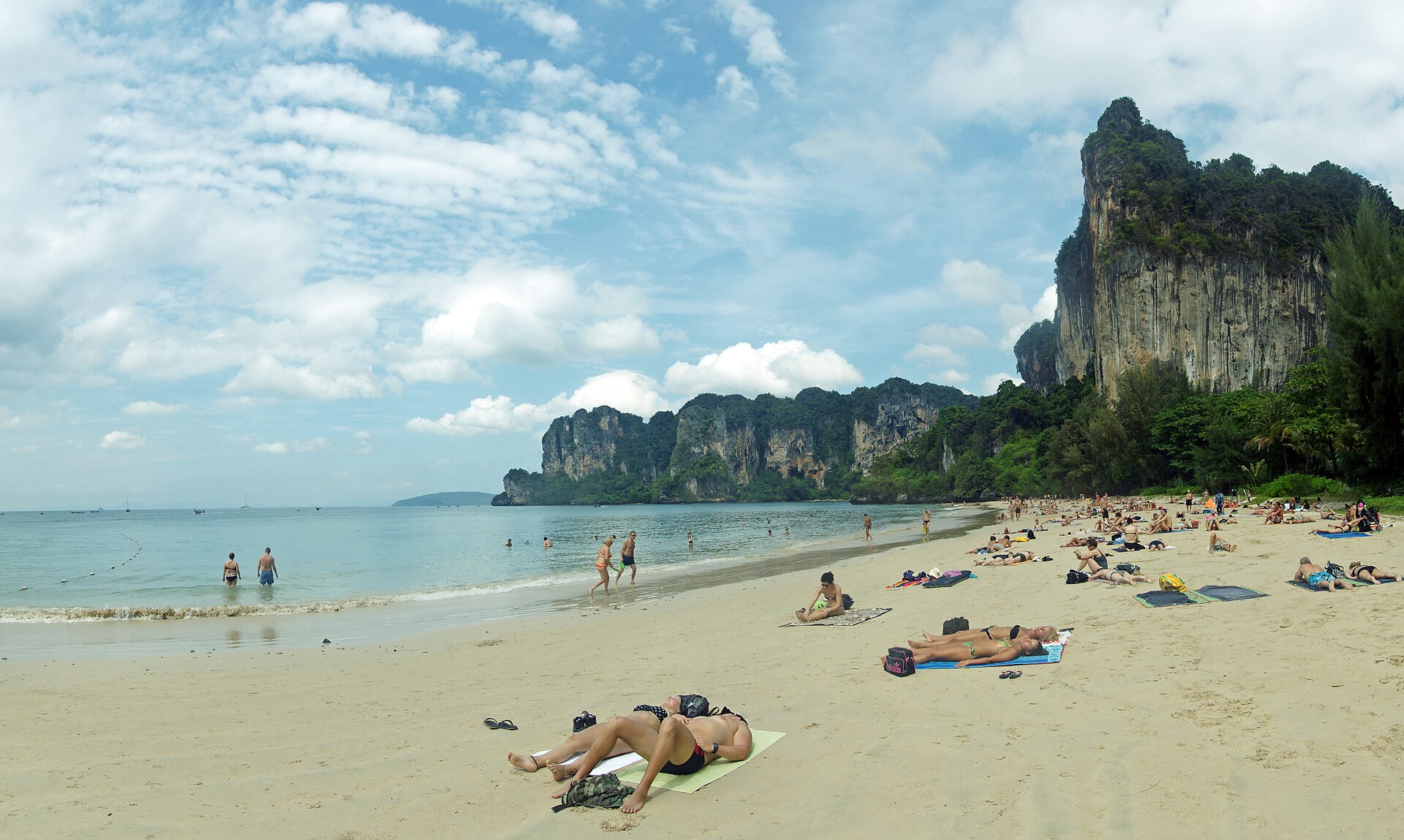
Phuket is Thailand’s beach holiday in one place — and it’s much bigger and more varied than the reputation suggests. It’s an island roughly the size of Singapore, connected to the mainland by a bridge, with an international airport, a proper old town, mountains in the middle, and around forty beaches down its west coast.
That variety is the point. Whatever kind of beach holiday you want, Phuket has a version of it.
Choosing your beach
This decision matters more than your hotel.
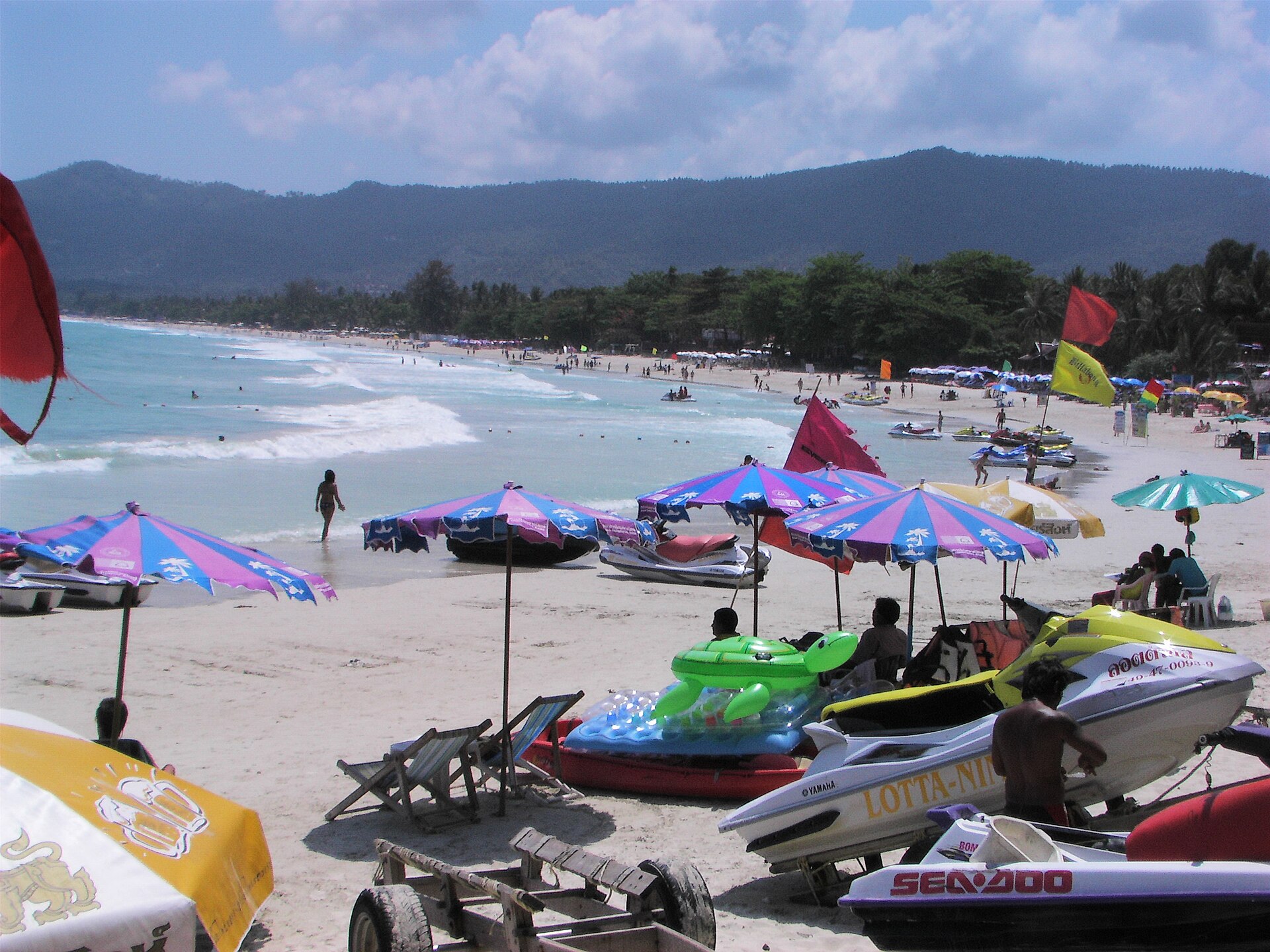
Patong — The loud one. Big nightlife, jet skis, Bangla Road, and every service you can imagine. Great if that’s what you came for, wearing if it isn’t.
Kata and Karon — The sensible middle. Good swimming, decent restaurants, families everywhere, calm enough in the evening. Where we’d send most first-timers.
Nai Harn and Ya Nui — Down in the far south, greener, quieter and genuinely beautiful. Fewer restaurants, better afternoons.
Surin and Bang Tao — The upmarket strip, where the resort brands are. Beautiful, and expensive once you leave the hotel.
Mai Khao — Nine kilometres of almost empty sand in the north, right by the airport. Wonderful for a long walk, thin on facilities.
Rawai — Not really a swimming beach; it’s where the longtail boats and the seafood market are. Good place to live, good place to eat.
Beyond the beaches
Phuket Old Town is the island’s best-kept secret from beach visitors. Rows of pastel Sino-Portuguese shophouses built on tin money, independent coffee shops, street art, and street food that appears in the Michelin guide. Half a day, and the Sunday evening walking street on Thalang Road if your timing works.
Island day trips are the real reason to be here — Phi Phi (about 2 hours by ferry), Phang Nga Bay and James Bond Island, the Similan Islands for diving, typically open mid-October to mid-May.
Big Buddha — A 45-metre white marble Buddha on a hilltop, visible from half the island, with a panoramic view over Chalong Bay. Free, and best at sunset.
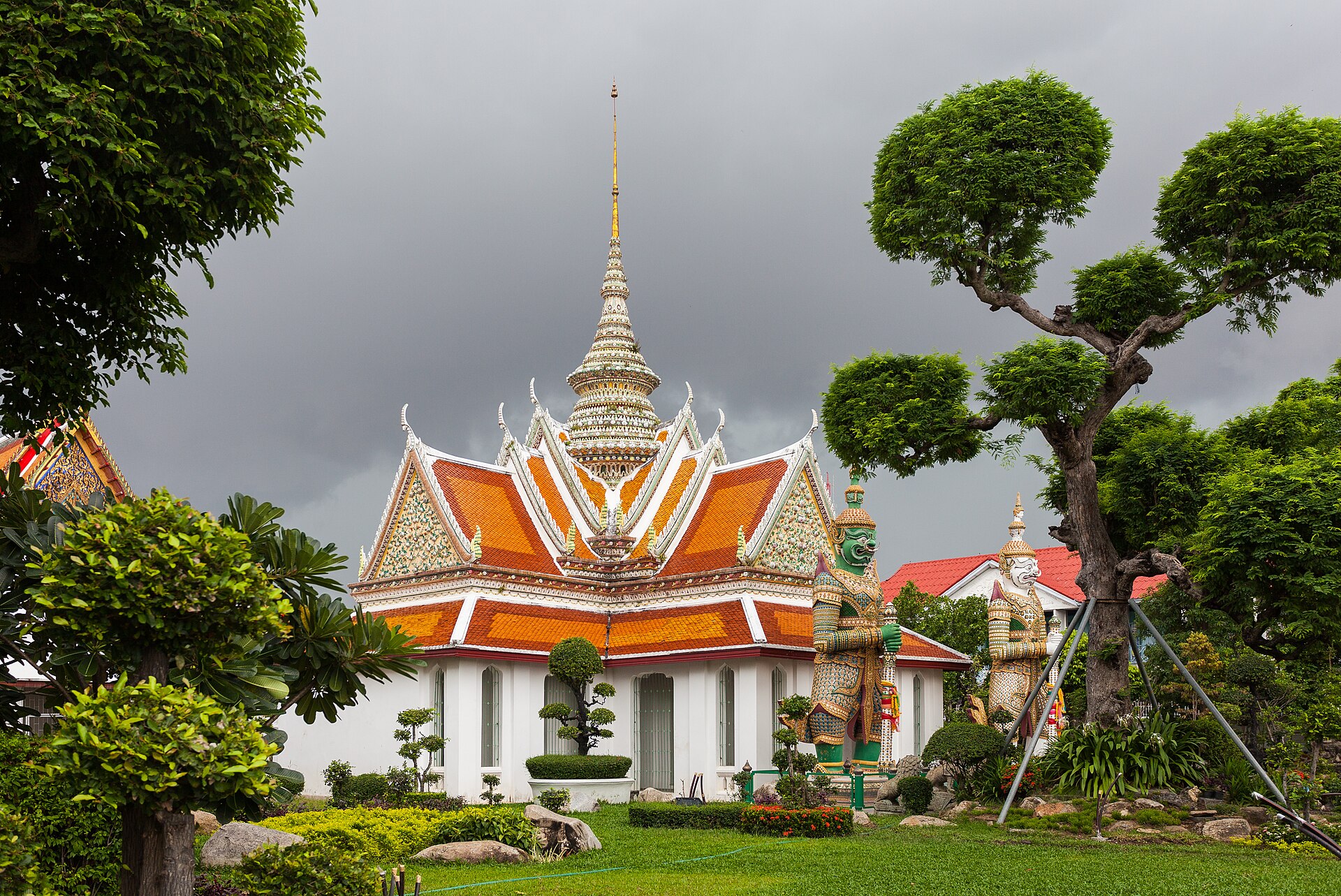
Wat Chalong — Phuket’s most important temple, and a proper working one rather than a photo stop.
Promthep Cape — The classic sunset viewpoint at the southern tip. Busy, and still worth it.
Getting around — read this before you book
Phuket’s transport is the single most common unpleasant surprise for visitors. There’s essentially no public transport, and taxi and tuk-tuk pricing is controlled by long-established local associations with fixed, high rates — a 15-minute hop between beaches can cost ฿400–600.
Grab operates but coverage varies by area and is actively discouraged in some places. Scooters are cheap and give you complete freedom, but Phuket’s roads have steep hills, heavy traffic and a serious accident record, and your travel insurance will not cover you without the correct licence.
The practical answer: either stay somewhere you’re happy to walk around, or budget properly for transport — or arrange a driver for the days you want to roam.
Practical notes
- The seasons are opposite to Koh Samui. Phuket is Andaman coast: best November to April. Read the season guide →
- Take the red flags seriously. Low-season rip currents on west-coast beaches are lethal, and it’s the most common cause of tourist deaths on the island.
- Book Phi Phi trips as early as possible in high season, and prefer smaller boats over the big group speedboats if you can.
- Don’t ride the elephants. There are genuine sanctuaries on the island that don’t offer rides — those are the ones worth your money.
- Jet-ski damage claims remain a well-known scam. Photograph the machine thoroughly before you get on it, or skip it.
Make it easy
We arrange island-hopping tours, airport transfers and a driver on the days you want to explore, so your time goes on the water rather than on negotiating a fare in the heat.
Airport transfers and private transport → · Phuket vs Krabi → · Koh Samui vs Phuket → · Plan your Phuket trip →