If you’ve seen a photograph of Thailand with limestone cliffs plunging straight into turquoise water, there’s a good chance it was Krabi.
This is the Andaman coast at its most dramatic — a province of karst towers, mangrove channels, jungle and dozens of offshore islands, with a beach town at the middle of it that’s noticeably calmer and cheaper than Phuket three hours up the road.
Railay — the reason people fall in love with Krabi
Railay is a peninsula, not an island, but sheer cliffs cut it off from the mainland so completely that it can only be reached by boat. No cars, no roads, no traffic — just a strip of resorts between a beach and a wall of limestone.
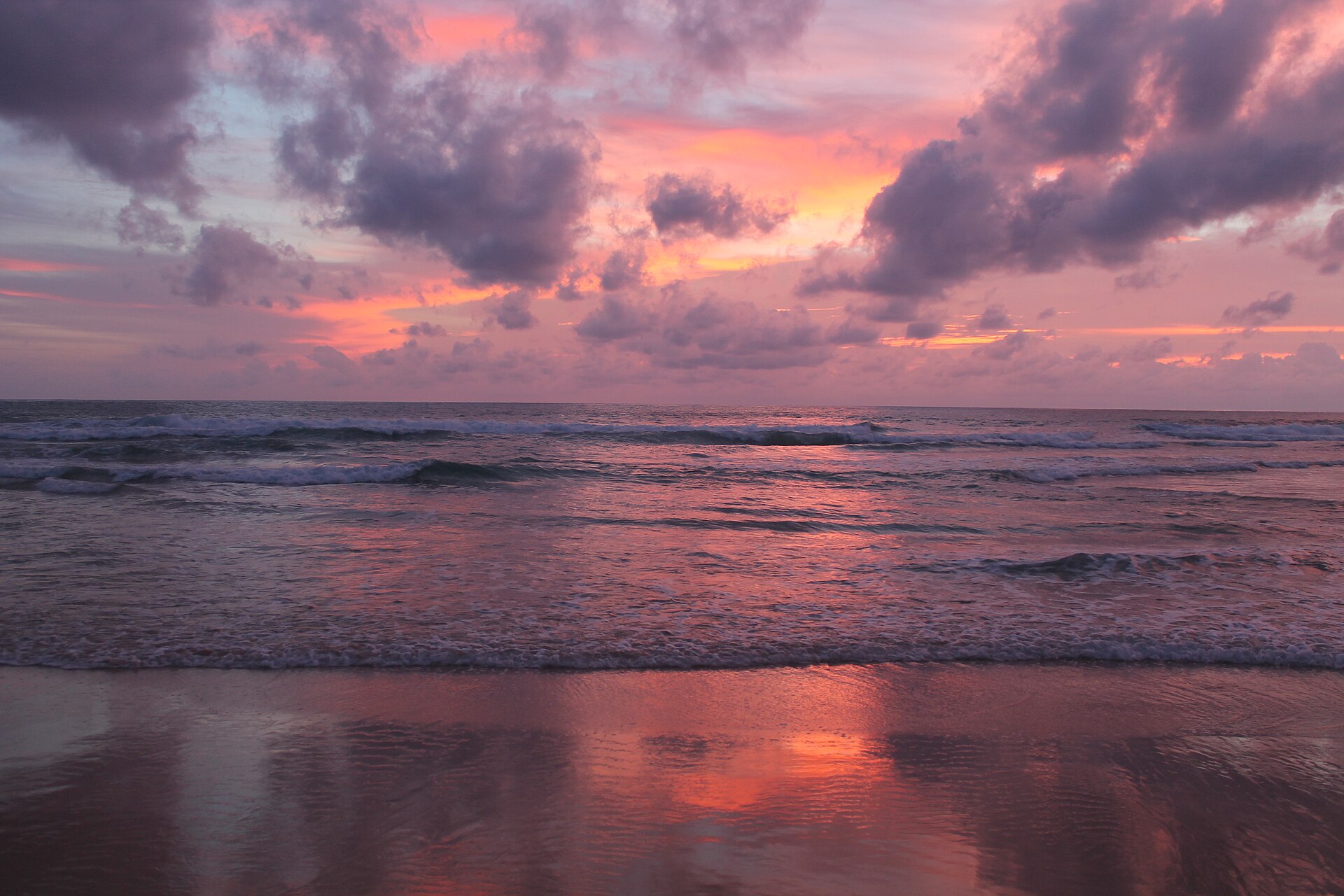
Railay West is the main beach, and its sunsets are as good as any in Thailand. Railay East is mangrove rather than swimming beach, and cheaper to stay on. Phra Nang Cave Beach, a five-minute walk around the headland, is the spectacular one — white sand, a cave shrine, and a stalactite-hung overhang you can swim beneath.
It’s also one of the world’s great rock-climbing destinations, with hundreds of bolted routes and climbing schools that will happily take a complete beginner up something for half a day.
Two or three nights on Railay at the end of a trip is close to the best possible ending.
Island hopping — Krabi’s real strength
Boats leave from Ao Nang and Railay, and the good stuff is close:
The four-island tour — Poda, Chicken Island, Tup Island and Phra Nang Cave Beach. The classic, ฿900–1,800 per person, and worth taking by longtail rather than speedboat if you can.
The Hong Islands — 30 minutes out. A hidden lagoon inside a ring of cliffs that you enter through a narrow gap. Quieter than the four-island route and, for our money, better.
Koh Phi Phi — 90 minutes by ferry. Doable as a day trip, better as a two-night stop en route to Koh Lanta.
Bamboo and Mosquito Islands — Small, sandy and excellent for snorkelling.
Inland Krabi
Most visitors never leave the coast, which is a shame.
The Emerald Pool (Sa Morakot) — A spring-fed jungle pool of astonishing blue-green water inside Khao Phra Bang Khram nature reserve, about 90 minutes inland. The Blue Pool nearby is even more striking and you can’t swim in it.
Klong Thom hot springs — Warm mineral water falling through smooth rock basins in the forest. Best combined with the Emerald Pool in one day.
Tiger Cave Temple (Wat Tham Suea) — 1,260 steps up a limestone tower to a golden Buddha and a 360° view over the whole province. It is genuinely hard — an hour up in serious heat — and genuinely worth it. Go at dawn.
Where to base yourself
Ao Nang — The main town. Everything leaves from here, the widest choice of hotels and restaurants, a decent beach, and a modest strip of bars. First-visit default.
Railay — Beautiful and quiet, with fewer options and a boat ride to reach anything else.
Klong Muang / Tubkaek — Upmarket, calm and away from it all. Good with a car or a driver, isolating without.
Krabi Town — Not a beach town at all: a real Thai riverside town with a night market, low prices and no tourists. Worth a night for the contrast.
Practical notes
- Season matters more here than most places. Boats are how you reach everything, and boats are what the monsoon cancels. November–April.
- Longtail over speedboat. Slower, cheaper, quieter, and you actually see the scenery instead of being slammed through it.
- Bring a dry bag. Longtails are open and take spray.
- Tide times matter for Tup Island’s sandbar and for Railay East, which becomes mudflat at low tide.
- Getting around is limited. No real public transport, and songthaews stop early. Plan around it.
Make it easy
We arrange island-hopping boats, airport transfers and inland day trips so your days go on the water rather than on a pier working out which longtail is yours.
Private transport and transfers → · Phuket vs Krabi → · Plan your Krabi trip →