Bangkok hits all your senses at once. Gilded temple roofs against glass towers, monks queuing for alms beside a noodle cart, a river carrying everything from rice barges to hotel shuttles, and heat that never quite lets up.
It’s most people’s first taste of Thailand, and it’s a better city than its reputation as a place to pass through.
The essential sights
The Grand Palace and Wat Phra Kaew — The dazzling former royal residence and the temple of the Emerald Buddha, a jade figure barely 66cm tall that is the most revered object in the country. Arrive at 8:30am opening; by ten it’s a crush and by noon it’s an oven. Entry ฿500. Shoulders and knees covered, no exceptions.
Wat Pho — Ten minutes’ walk away, and quieter. The 46-metre Reclining Buddha is astonishing in person, and the temple is also the home of traditional Thai massage — the school on site gives an hour-long massage for about ฿480, which is exactly what your legs need by then.
Wat Arun — The Temple of Dawn, across the river and reached by a ฿5 ferry. Its porcelain-encrusted prang is best in the late afternoon, when the light comes from behind you.
Chinatown (Yaowarat) — After dark the pavements disappear under food stalls. Come hungry, come after 7pm, and eat where the queue is longest.
Chatuchak Weekend Market — 15,000 stalls, Saturday and Sunday. Give it a morning and accept that you’ll get lost. On weekdays, Or Tor Kor fresh market across the road is arguably a better experience anyway.
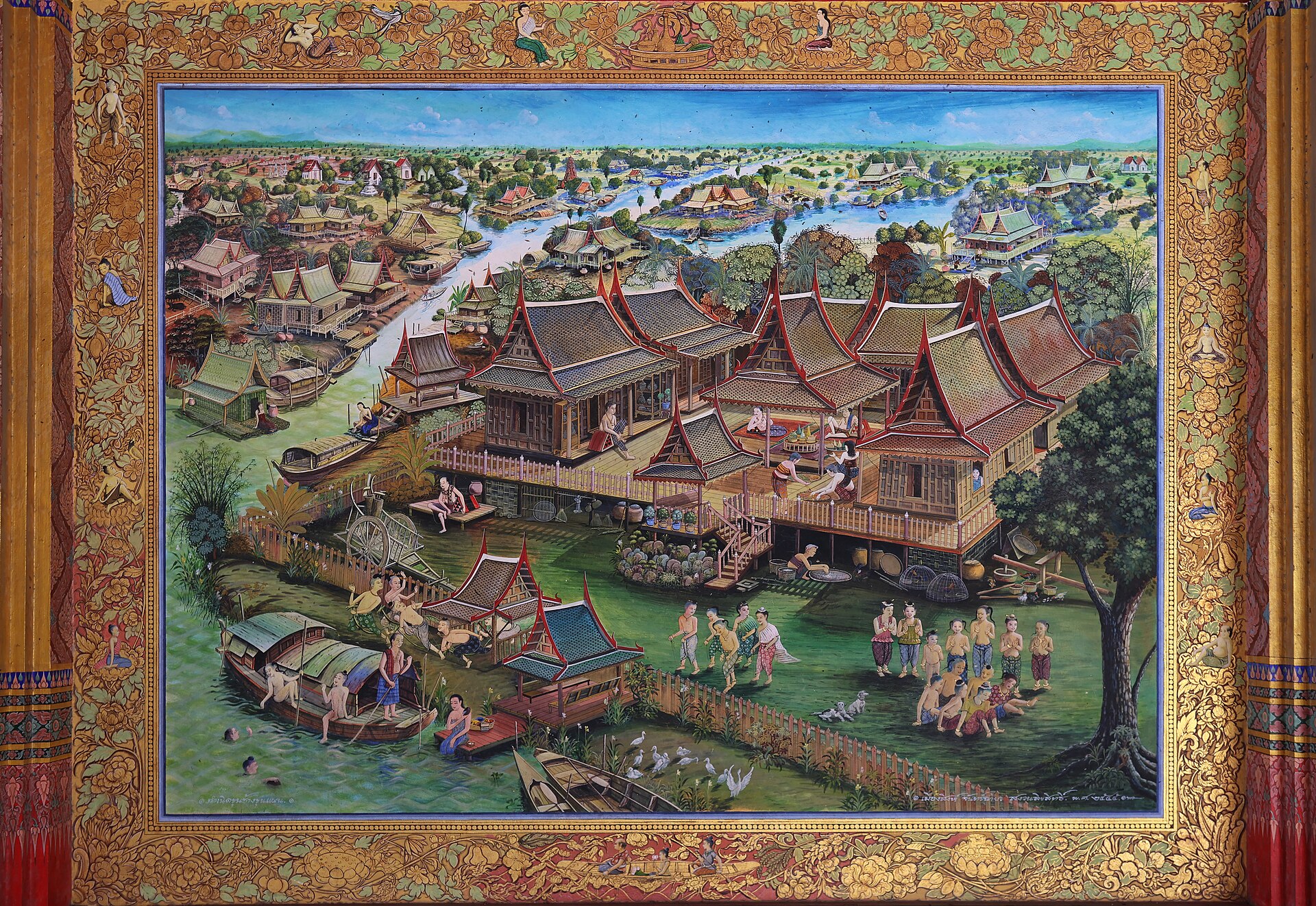
A canal boat through Thonburi — Long-tail through the khlongs of the west bank, past stilt houses and monitor lizards. This is what Bangkok looked like before the roads.
Beyond the checklist
Phuket Old Town’s Bangkok equivalent is Talat Noi — a riverside maze of old shophouses, engine workshops and street art near Chinatown, and a lovely hour’s wander.
Jim Thompson House is a beautiful teak compound built by the American who revived Thai silk and then vanished in Malaysia in 1967. Cool, green and a genuine relief mid-afternoon.
Ari and Ekkamai are where young Bangkok eats now — neither is on a tourist route and both are excellent.
Lumphini Park at dawn — tai chi, joggers, and monitor lizards the size of dogs sunbathing by the lake. Free, and completely surreal.
Where to stay
| Area | Good for | Watch out |
|---|---|---|
| Sukhumvit (Asok, Phrom Phong) | Food, malls, nightlife, BTS | 30–45 min to the Old City |
| Silom / Sathorn | Business district, superb food | Quiet on Sundays |
| Riverside | Views, hotel quality, boat to temples | Fewer restaurants in walking distance |
| Old City | Walk to the Grand Palace | No BTS or MRT nearby |
| Khao San | Budget, backpacker scene | Loud, and not representative |
Use Bangkok as a base
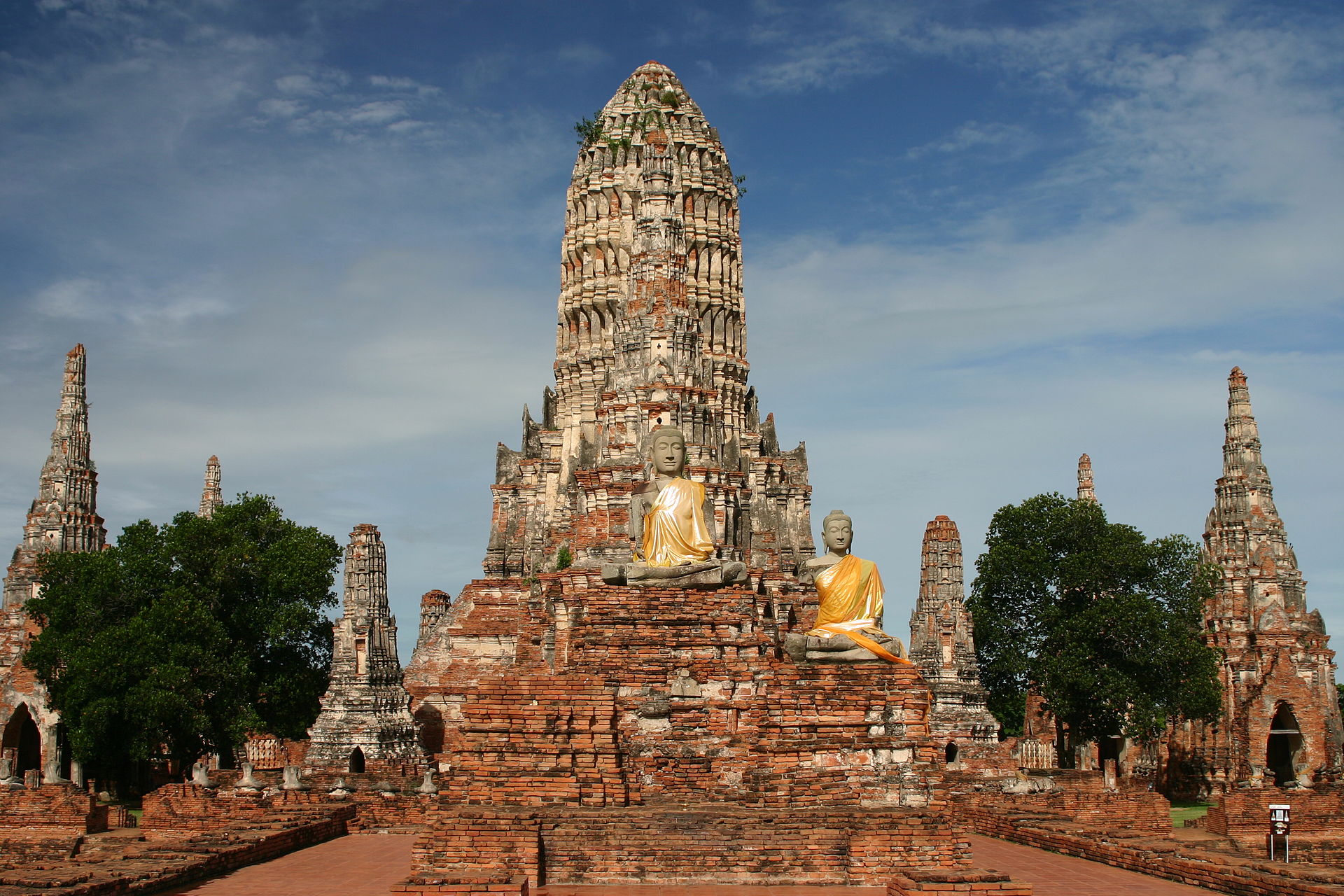
Bangkok sits in the middle of the country, which makes it an excellent launch pad. Within 90 minutes to three hours: the ruins of Ayutthaya, the seven tiers of Erawan waterfall, the jungle of Khao Yai, the floating markets, and quiet Suphanburi, where you’ll be the only foreigner.
See all the best day trips from Bangkok →
Practical notes
- Start at 8am. The single best piece of Bangkok advice. Temples are cooler, emptier and better lit, and you’ll be finished before the worst of the heat.
- Rush hour is 7–9am and 4–7pm and it is genuinely severe. Take the train.
- The scams are old and consistent. If someone tells you a temple is closed for a Buddhist holiday and offers a tuk-tuk tour instead, it isn’t closed. Walk on.
- Carry small notes. Motorbike taxis and market stalls won’t break ฿1,000.
- Tap water isn’t drinkable, but ice in restaurants and bars is made commercially and is fine.
Make it easy
Bangkok’s heat and traffic can eat a day. A private van and driver for the temple circuit or a day trip means door-to-door travel at your own pace — and for anything with luggage or an early flight, an airport transfer removes the one part of a Thailand trip nobody enjoys.
Bangkok airport transfers → · Van and driver prices → · How many days in Bangkok? →